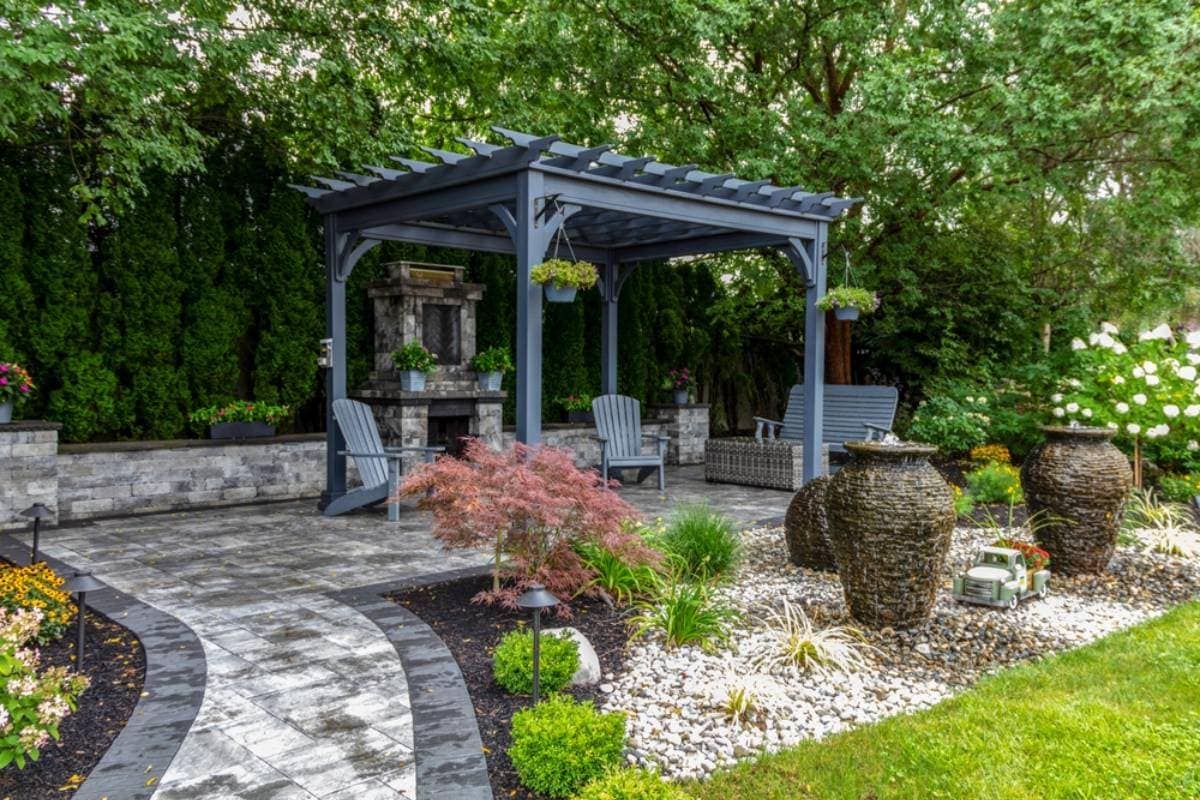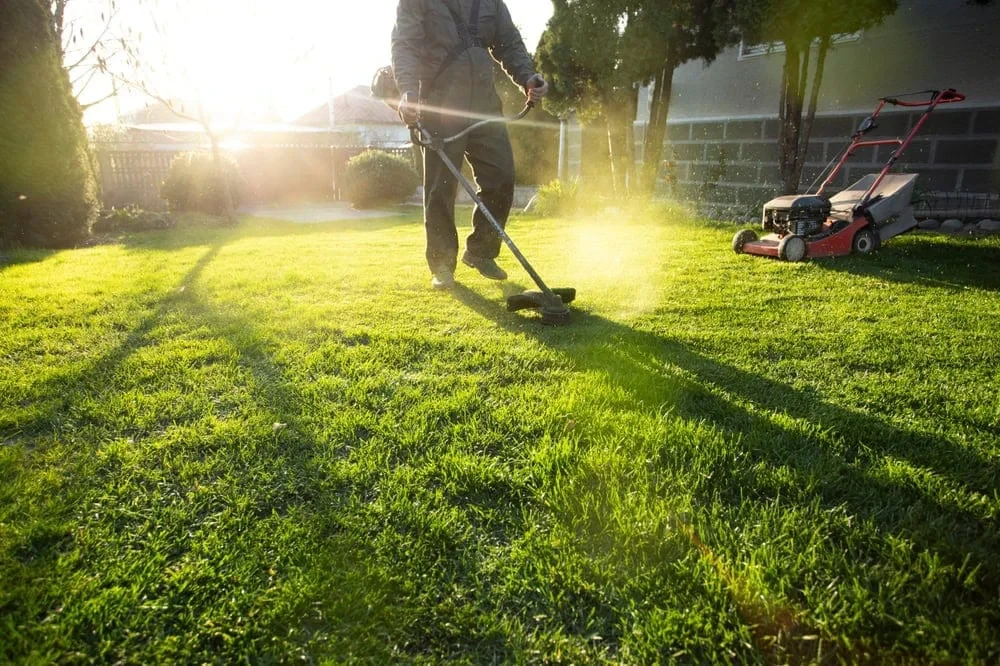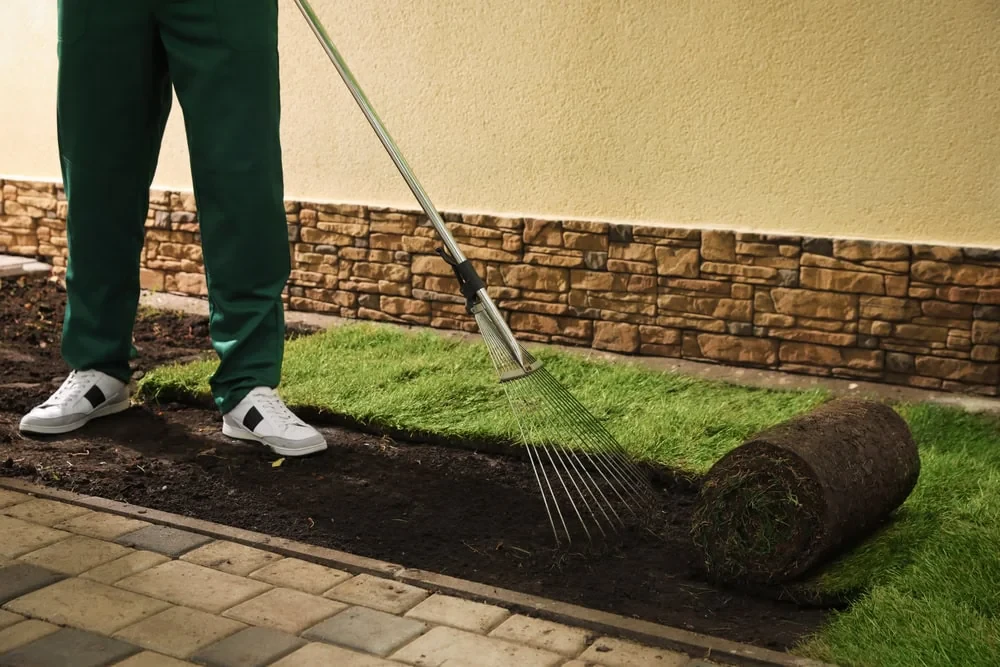
Landscape design in Waco isn't just about looks. Discover how to balance beauty with function in Central Texas's challenging climate, creating outdoor spaces that thrive year-round.
Share:
Summary:
Your yard should make you proud, not stressed. But when you’re in Waco, TX, that’s easier said than done. The heat hits hard. The rain comes in bursts or not at all. And that clay soil? It’s not doing you any favors.
You’ve probably noticed neighbors with lawns that look great in spring but turn brown by July. Or maybe you’ve invested in plants that struggled despite your best efforts. Here’s the thing: landscape design in Central Texas isn’t about copying what works elsewhere. It’s about understanding what actually thrives here.
This guide breaks down how to create outdoor spaces that look stunning and function properly in our challenging climate. You’ll learn what works, what doesn’t, and how to avoid the mistakes that cost homeowners thousands in wasted water and dead plants.
Landscape design isn’t just arranging plants and calling it done. It’s creating an outdoor environment that serves your needs while handling whatever Texas weather throws at it.
In Waco and the surrounding counties—Bosque, Falls, Hill, Bell, and McLennan—you’re working with conditions that require specific approaches. The soil here is heavy clay. Summer temperatures regularly push past 100 degrees. Rainfall patterns swing from drought to downpour with little warning.
Good landscape design accounts for all of this before a single plant goes in the ground. It considers how water moves across your property, which areas get blasted by afternoon sun, and what your outdoor space actually needs to do for you. Maybe you want a low-maintenance front yard that boosts curb appeal. Or a backyard where you can actually spend time without melting.

Central Texas climate doesn’t negotiate. You can fight it with constant watering and plant replacements, or you can work with it from the start.
The heat here is relentless during summer months. Plants that thrive in cooler regions will struggle or die without massive water inputs. That’s not sustainable for your time or your water bill. Clay soil compounds the problem because it holds water when you don’t want it to and repels it when you do.
Successful landscape design in Waco starts with accepting these realities. St. Augustine grass, for example, needs different care here than it does in cooler climates. Native plants like Texas sage, lantana, and yucca have evolved to handle these conditions. They’re not just surviving—they’re built for this.
Hardscaping plays a bigger role here than in milder climates too. Permeable pavers help manage sudden heavy rains by allowing water to seep through rather than creating runoff that erodes your soil. Retaining walls can prevent erosion on sloped properties while adding visual interest. These aren’t just decorative choices. They’re functional solutions to real problems.
Irrigation systems need to be smarter in this climate. A basic sprinkler setup that runs on a timer wastes water and money. Modern systems with moisture sensors and weather-based controls deliver water when plants actually need it, not just when the clock says so. During Waco’s frequent water restrictions, that efficiency becomes even more critical.
The timing of your planting matters too. Spring and fall offer the best windows for establishing new plants. Summer heat puts too much stress on anything trying to develop roots. Winter freezes, while less common, can damage plants that aren’t fully established. Planning around these seasonal patterns gives your landscape a better chance to thrive.
Understanding microclimates on your specific property makes a difference. That spot near your south-facing brick wall gets significantly hotter than the shaded area under your oak tree. Different plants belong in different zones. Grouping plants with similar water and sun needs together makes maintenance easier and keeps everything healthier.
A landscape that looks great in photos but doesn’t work for how you live is just expensive yard art. Real landscape design considers what you actually do outside.
If you have kids or pets, you need durable surfaces and plants that can handle traffic. Delicate groundcovers that require careful stepping won’t survive. Hardscaping like flagstone pathways or paver patios creates defined spaces that hold up to use while looking intentional.
Drainage is a functional issue that affects everything else. Water pooling near your foundation causes serious problems over time. Proper grading moves water away from your house toward areas where it can soak in or drain away safely. French drains, dry creek beds, and strategic plant placement all help manage water flow.
Maintenance requirements are part of functionality too. A landscape design that demands hours of weekly upkeep might look amazing initially, but it becomes a burden fast. Choosing the right plants and layout reduces how much time you spend maintaining instead of enjoying your outdoor space.
Privacy and noise control are functional benefits that good design provides. Strategic placement of trees, shrubs, or privacy screens creates separation from neighbors without feeling like a fortress. Plants also absorb sound better than hard surfaces, making your outdoor areas more peaceful.
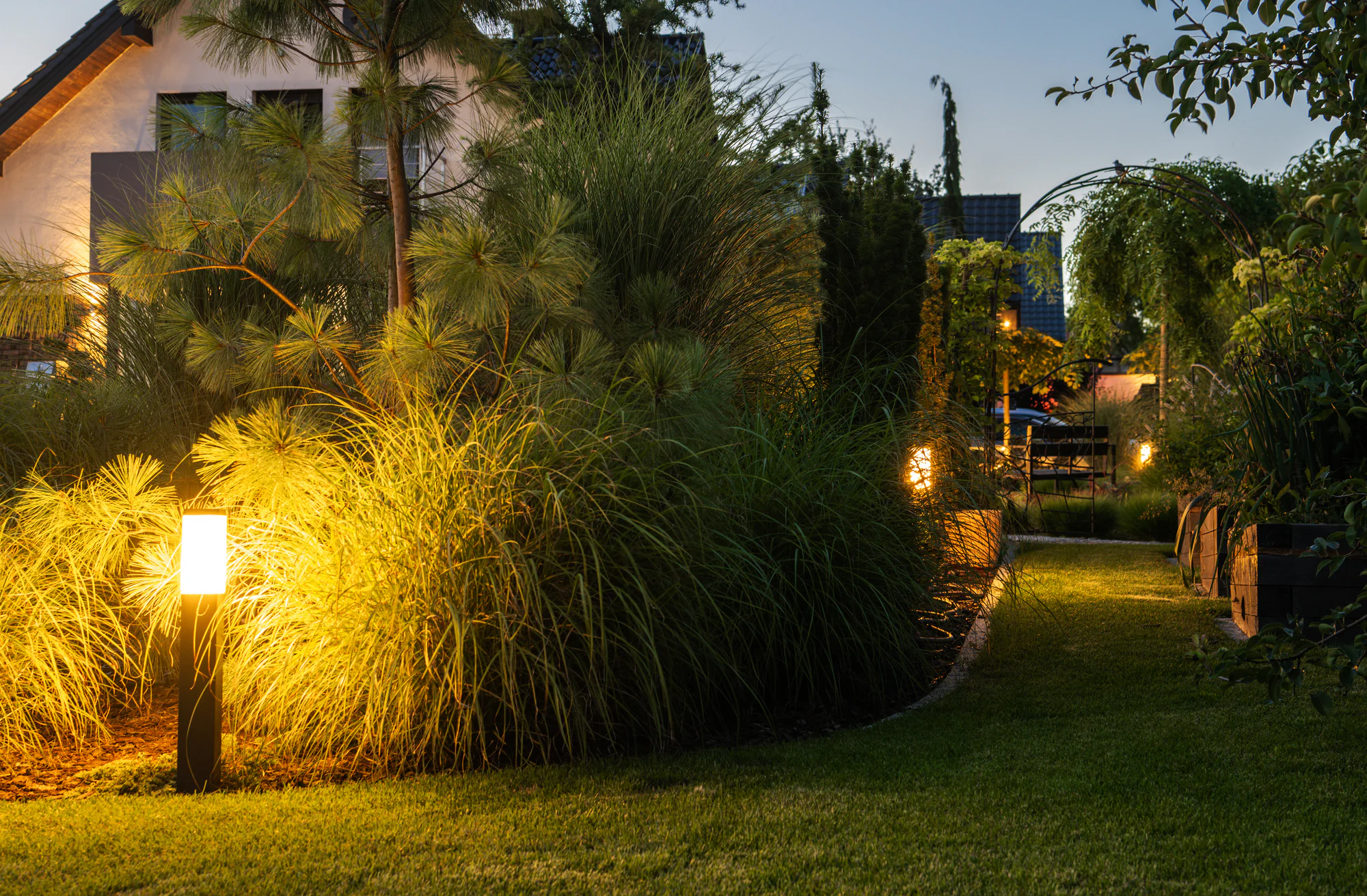
Lighting extends the usability of your landscape beyond daylight hours. Well-placed landscape lighting makes pathways safe, highlights attractive features, and allows you to use outdoor spaces after dark. It’s both practical and aesthetic.
The layout should guide people naturally through your space. Pathways that connect your driveway to your front door shouldn’t force guests to walk through flower beds. Seating areas should be positioned where you’ll actually want to sit, not just where they fit. These functional considerations make your landscape work with your daily life instead of against it.
Seasonal interest keeps your landscape looking good year-round rather than just during peak growing season. Combining evergreen structure plants with seasonal bloomers and ornamental grasses ensures something always looks intentional. In Central Texas, this means choosing plants that offer winter structure and summer heat tolerance.
Want live answers?
Connect with a Huaco Landscape & Irrigation expert for fast, friendly support.
The plants you choose determine whether your landscape thrives or becomes a constant source of frustration. In Waco’s climate, this decision matters more than anywhere with mild weather and regular rainfall.
Native and adapted plants give you the best chance of success. They’ve evolved to handle heat, drought, and our soil conditions. That doesn’t mean your only options are cactus and rocks. Plenty of attractive, colorful plants thrive here with minimal intervention once established.
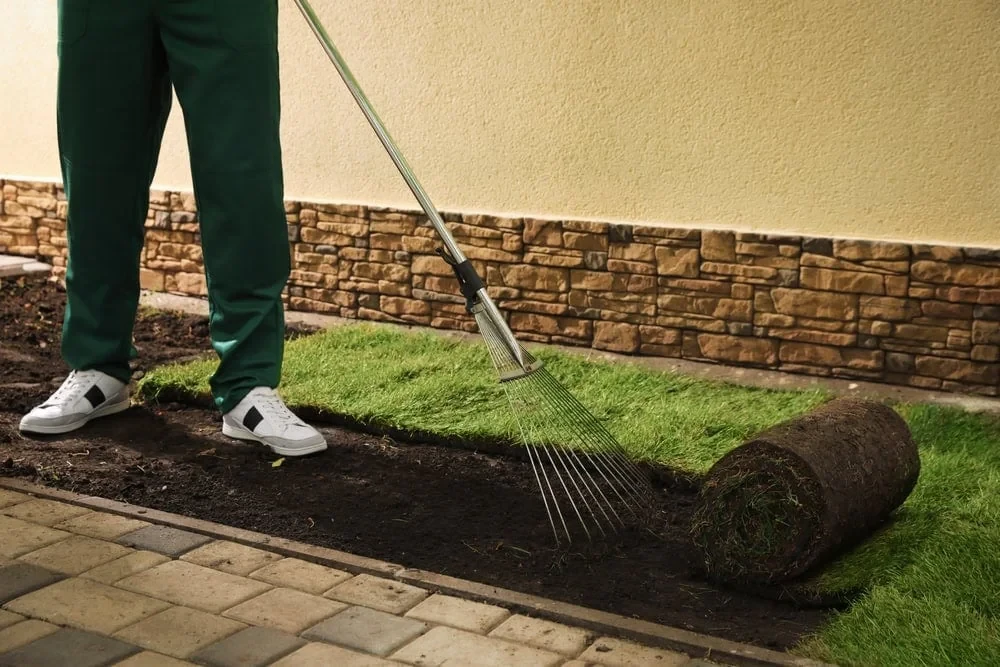
Lawn care in Central Texas requires realistic expectations. A golf-course-perfect lawn demands massive water inputs and constant maintenance. Choosing drought-tolerant grass varieties like buffalo grass or reducing turf areas in favor of groundcovers and hardscaping creates a more sustainable approach.
Walking through a nursery, everything looks healthy and green. But those plants are receiving optimal care in controlled conditions. Your yard is not a nursery.
Texas sage (cenizo) produces vibrant purple blooms after summer rains and requires virtually no supplemental watering once established. Lantana offers continuous color from spring through fall and laughs at heat that would kill more delicate flowers. Flame acanthus attracts hummingbirds while thriving in conditions that stress other plants.
For groundcover, consider alternatives to traditional turf grass. Native bunch grasses like blue grama need significantly less water and mowing. They provide texture and movement while staying green longer into dry periods. Rock rose and autumn sage fill spaces with color while demonstrating remarkable drought tolerance.
Trees provide crucial shade that makes your entire landscape more livable. But choosing the wrong tree creates problems for decades. Fast-growing trees often have weak wood that breaks during storms. Trees planted too close to foundations or utility lines cause expensive damage later. Desert willow, Mexican sycamore, and cedar elm offer good growth rates without the structural problems of some faster options.
Shrubs create structure and define spaces in your landscape. Yucca provides architectural interest with minimal care. Esperanza delivers bright yellow flowers through summer heat. Turk’s cap thrives in both sun and shade while feeding wildlife. These aren’t plants that need babying—they’re tough enough to handle what Central Texas delivers.
Understanding mature size prevents future problems. That cute little shrub at the nursery might grow to block your windows in a few years. Trees planted under power lines eventually require constant trimming. Checking mature heights and spreads before planting saves you from expensive corrections later.
Soil preparation gives plants their best start. Our clay soil benefits from organic matter that improves drainage and nutrient availability. But don’t go overboard—plants adapted to Central Texas don’t need rich, loamy soil to thrive. In fact, too much amendment can create problems by encouraging excessive growth that requires more water.
Grouping plants with similar water needs together makes irrigation more efficient. Putting a water-hungry plant next to a drought-tolerant one means one will always be either over or under-watered. Designing in zones based on water requirements lets you target irrigation where it’s needed most.
Hardscaping isn’t just about reducing lawn maintenance. It’s about creating usable outdoor space that holds up to Texas weather while solving practical problems.
Patios extend your living area outside. A well-designed patio gives you a place to actually spend time rather than just looking at your yard through a window. Materials matter here. Pavers handle our temperature swings better than poured concrete, which cracks as the ground shifts. Natural stone offers durability and timeless appeal but comes at a higher price point.
Retaining walls solve multiple problems simultaneously. On sloped properties, they create usable flat areas while preventing erosion. They add visual interest through changes in elevation. And they can incorporate seating or planting areas that make your landscape more functional. The key is proper construction—poorly built retaining walls fail, creating bigger problems than you started with.
Walkways guide movement through your landscape while protecting your lawn and planting beds from traffic damage. They should connect the spaces people actually need to access. A pathway that looks nice but doesn’t go anywhere useful won’t get used. Materials can range from simple gravel to elaborate flagstone, depending on your budget and aesthetic preferences.
Permeable hardscaping addresses drainage while creating usable surfaces. Permeable pavers allow water to soak through rather than running off, reducing erosion and helping recharge groundwater. This matters in areas prone to both drought and sudden heavy rains. You get functional outdoor space that also manages water responsibly.
Outdoor kitchens and fire features have become increasingly popular, and for good reason. They create destinations in your landscape that encourage you to actually use the space. A built-in grill area with countertop and storage is more inviting than dragging a portable grill around. Fire pits extend the usable season by making fall and spring evenings more comfortable.
Sprinkler system repair and sprinkler system installation should integrate with your hardscape design. Placing sprinkler heads where they won’t get damaged by foot traffic or hardscape maintenance saves money on repairs. Designing irrigation zones that match your planting and hardscape layout ensures efficient water delivery without waste. Tree removal may be necessary when roots interfere with irrigation lines or when dead trees pose safety risks.
The investment in quality hardscaping pays off in multiple ways. Property values increase when outdoor spaces are well-designed and functional. Maintenance requirements drop because you’re not constantly repairing or replacing failed elements. And you actually enjoy spending time outside, which is the whole point.
Working with professionals who understand Central Texas conditions makes a difference. We know which materials hold up to our climate, how to grade for proper drainage, and what construction methods prevent premature failure. The upfront investment in doing it right costs less than fixing problems later.
Landscape design that balances beauty and function doesn’t happen by accident. It requires understanding Central Texas’s unique challenges and making informed decisions about plants, materials, and layout.
You don’t need to settle for a yard that struggles through summer or requires constant intervention to look decent. With the right approach—drought-resistant plants, smart hardscaping, efficient irrigation, and realistic maintenance expectations—you can create outdoor spaces that thrive year-round.
The key is working with professionals who understand Waco’s climate and have the experience to deliver results that last. Whether you need lawn care, sprinkler system repair, retaining walls, or complete landscape design, choosing a team that knows Central Texas makes all the difference.
We bring local expertise and quick response times to every project across Waco, Bosque County, Falls County, Hill County, Bell County, and McLennan County. From initial design through installation and maintenance, we create landscapes that work with Texas weather instead of fighting it.
Article details:
Share:
Continue learning: