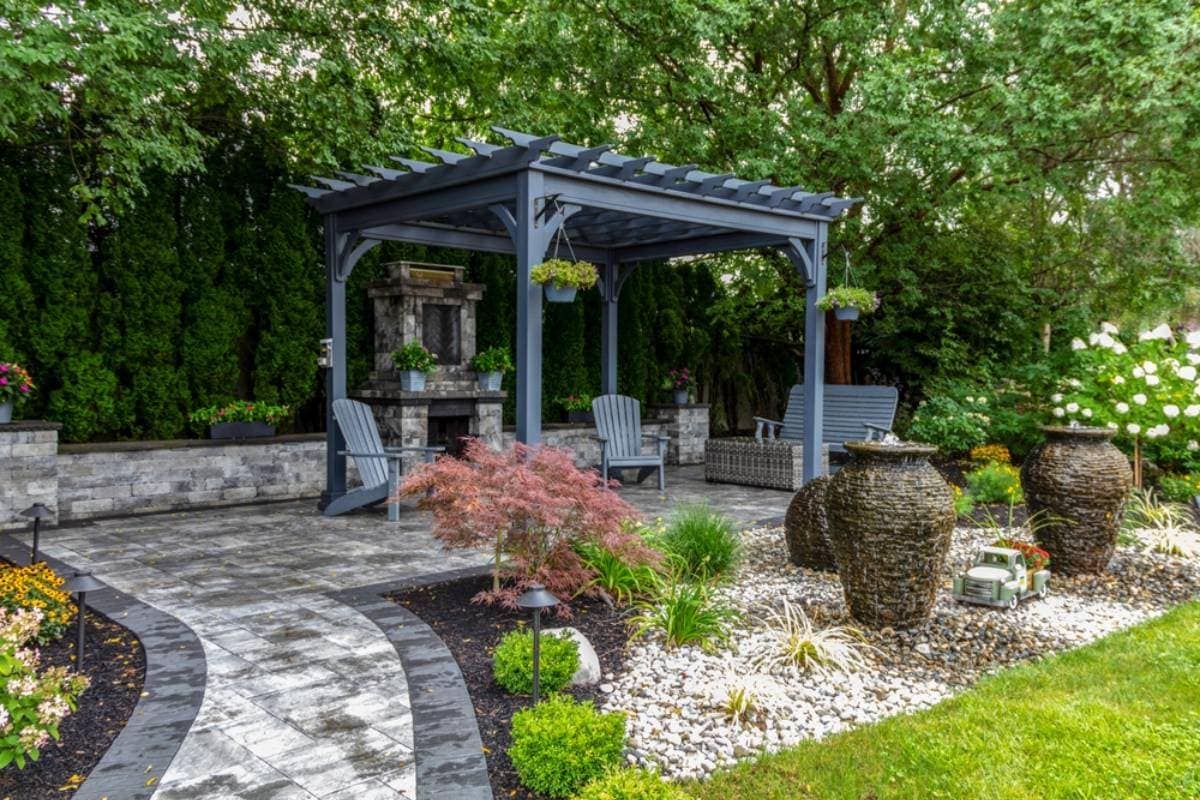
Thinking about transforming your backyard? Modern hardscaping creates functional outdoor spaces built for Texas weather—from patios to retaining walls that actually last.
Share:
Summary:
Your backyard should be more than a patch of grass you mow every weekend. It should be space you use—for morning coffee, weekend cookouts, or just somewhere to decompress after a long day.
That’s where hardscaping comes in. It’s the non-living elements of your outdoor design: patios, walkways, retaining walls, fire pits. The structural pieces that define how you actually use your yard.
In Central Texas, hardscaping also solves real problems. Poor drainage. Sloped terrain. Scorching summers that make certain areas unusable. When done right, it transforms your property into something functional and valuable.
Let’s look at what’s working in modern hardscaping and how to create an outdoor space that fits your life.
Hardscaping refers to the solid, built elements in your landscape. Think patios, walkways, retaining walls, decks, pergolas, outdoor kitchens. Anything that provides structure and function using materials like stone, concrete, pavers, or wood.
It’s different from landscaping (or softscaping), which covers the living elements—plants, trees, grass, flowers. Both matter. But hardscaping creates the foundation that makes your outdoor space usable year-round.
In Waco and surrounding areas like McLennan County, Bell County, and Hill County, hardscaping isn’t just about looks. It addresses drainage issues from unpredictable storms. It levels out sloped yards common in Bosque County and Falls County terrain. It creates shade structures for brutal summer heat. Done properly, it protects your property while extending your living space outdoors.
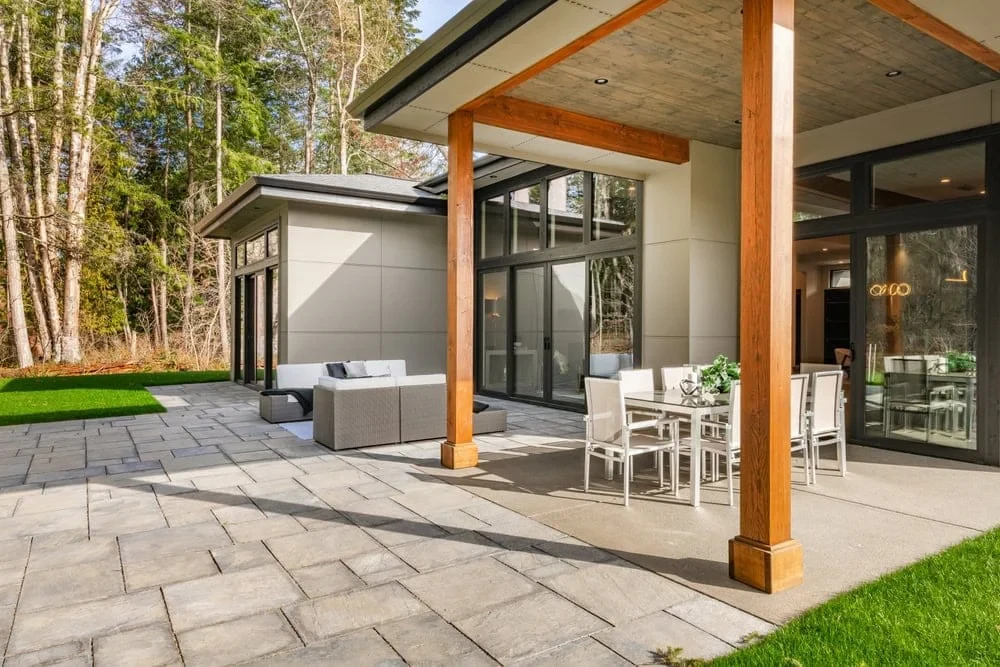
A well-designed hardscape does more than look good in photos. It adds measurable value to your property and solves functional problems that have been frustrating you for years.
Let’s start with the financial side. Property appraisers estimate returns between 100% and 200% on quality hardscaping projects. A $10,000 patio installation could add $10,000 to $20,000 in property value. Not guaranteed, but common when the work is done right with durable materials.
Beyond resale value, hardscaping creates usable square footage. A patio becomes an outdoor dining room. A pergola with seating turns into your favorite spot to work from home. Fire pits extend your outdoor season into cooler months. These aren’t decorative additions—they’re functional spaces that change how you live in your home.
Then there’s the practical stuff. Retaining walls prevent soil erosion on sloped lots, which matters significantly in areas with heavy rainfall. Proper walkways and drainage solutions stop water from pooling near your foundation. Permeable pavers reduce runoff and flooding. In Central Texas, where we get intense summer storms followed by weeks of heat, these features protect your investment.
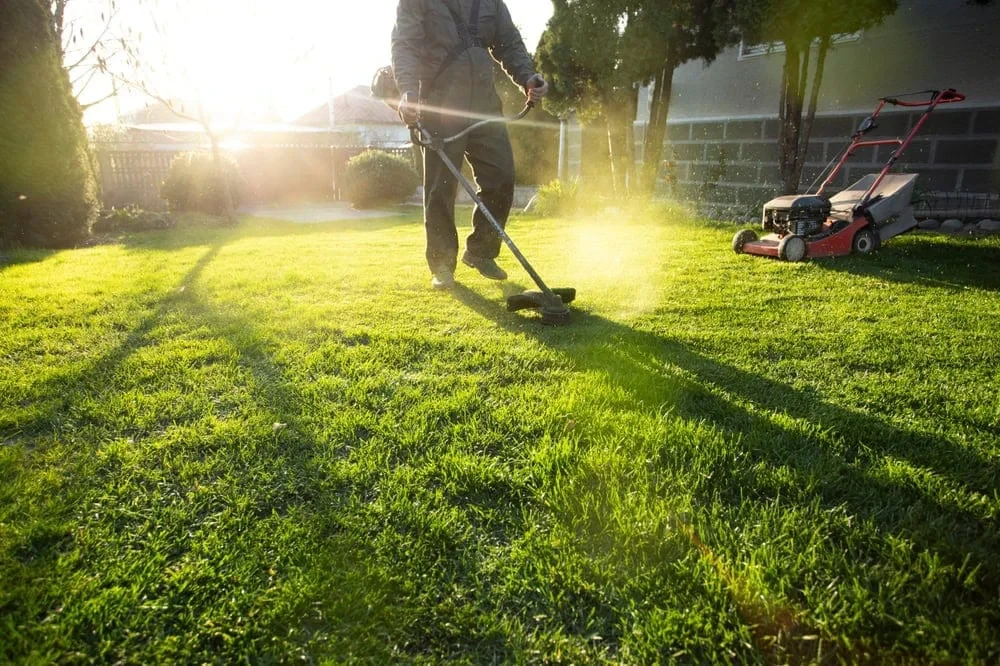
Hardscaping also reduces long-term maintenance costs. Replace high-maintenance grass with a paver patio, and you’ve eliminated mowing, watering, and fertilizing that section. Stone pathways don’t need trimming. Concrete doesn’t require seasonal replanting. You’re trading upfront investment for years of lower maintenance—a trade that makes sense when lawn care becomes physically demanding or time-consuming.
For older homeowners who can’t keep up with constant yard work, that shift matters. You get an attractive outdoor space without the physical demands of maintaining it.
People use these terms interchangeably, but they refer to different elements of outdoor design. Understanding the distinction helps you plan better and communicate clearly with contractors.
Hardscaping covers non-living, structural elements. Patios, walkways, retaining walls, decks, pergolas, outdoor kitchens, fire pits, driveways, fences. Materials include concrete, stone, pavers, brick, wood, and metal. These features provide durability, structure, and year-round functionality.
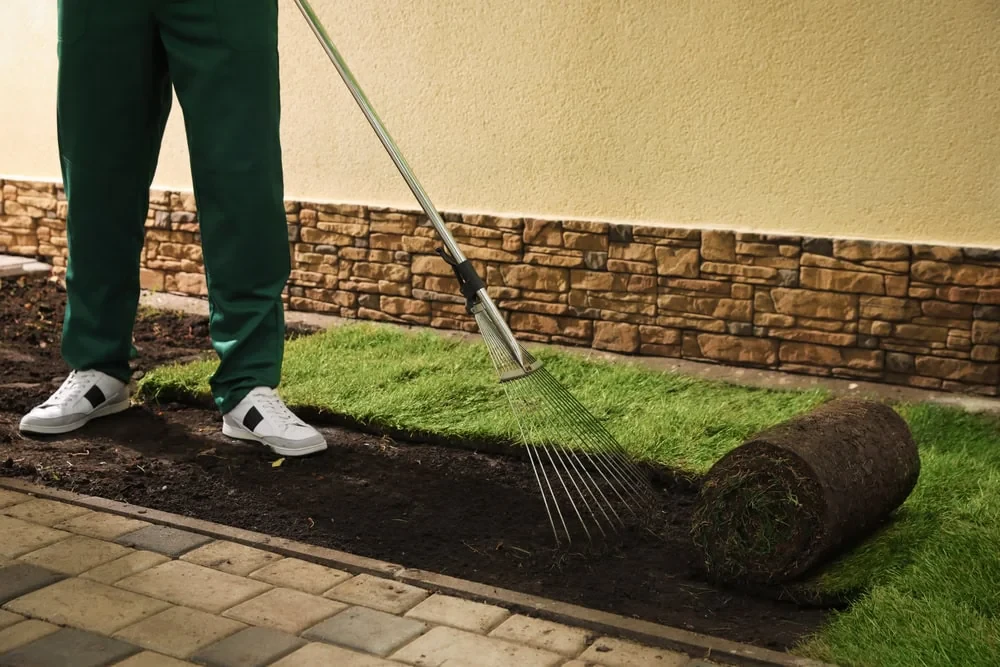
Landscaping (softscaping) includes living elements. Lawns, trees, shrubs, flowers, garden beds, mulch, soil. These bring color, texture, and natural beauty. They change with seasons and require ongoing maintenance like watering, pruning, and replanting. When combined with proper lawn care and strategic tree placement, landscaping softens hardscape features and creates visual balance.
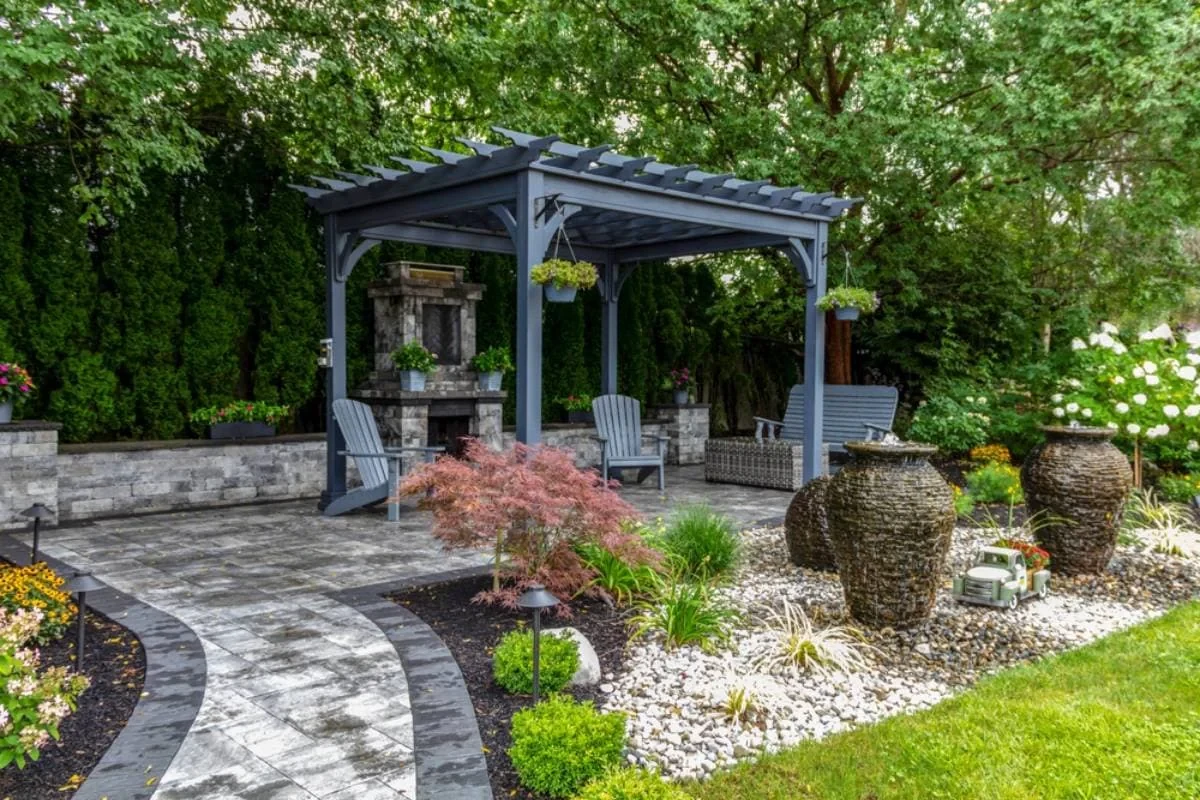
The magic happens when both work together. A stone patio (hardscape) surrounded by native plants and flower beds (landscape) creates visual interest and functionality. Walkways (hardscape) lined with shrubs and ground cover (landscape) feel integrated rather than stark. Retaining walls (hardscape) that double as planter boxes blend structure with greenery.
In practice, you need both. Hardscaping alone can feel sterile—too much concrete and stone without softness. Landscaping alone lacks structure and can be high-maintenance. The right balance depends on your priorities, budget, and how much upkeep you’re willing to handle.
For Waco properties, hardscaping often takes priority because of our climate. You need materials that withstand heat, manage water, and don’t require constant attention. Then you layer in drought-tolerant landscaping that complements the structure without demanding excessive watering or care. Pair that with a properly maintained sprinkler system, and you’ve got a setup that works year-round.
That combination—durable hardscaping with strategic, low-maintenance landscaping—is what makes Central Texas outdoor spaces work long-term.
Want live answers?
Connect with a Huaco Landscape & Irrigation expert for fast, friendly support.
Hardscaping trends in 2026 focus on functionality, durability, and creating outdoor spaces that actually get used. In Central Texas, that means materials and designs that handle our specific challenges—heat, storms, clay soil, and the need for year-round usability.
Here’s what’s working right now. Large-format pavers are replacing smaller traditional sizes. They create cleaner lines, make spaces feel bigger, and have fewer joints where water can infiltrate or weeds can grow. In Waco’s variable weather, fewer joints also mean better long-term performance.
Outdoor living zones are replacing generic patios. Instead of one large concrete slab, homeowners are creating defined areas: a cooking zone with built-in grill and counter space, a dining area under a pergola, a lounge space with fire pit. Each zone has a purpose, and the hardscaping guides how you move between them.

Material selection matters more in Central Texas than in milder climates. You’re dealing with extreme heat, occasional freezes, heavy storms, and clay soil that expands and contracts. Not every material holds up.
Natural stone and pavers are the workhorses of Waco hardscaping. They’re durable, handle temperature swings, and when properly sealed, resist water damage. Flagstone, limestone, and granite are popular choices. They absorb less heat than concrete, which matters when you’re walking barefoot to the pool in July.
Sealed pavers specifically perform well here. Sealing prevents water infiltration during storms and extends the lifespan significantly. Unsealed pavers in Waco’s climate can start showing problems within a few seasons—shifting, cracking, weed growth in joints. Sealed pavers push that timeline out by years.
Concrete remains popular for its versatility and cost-effectiveness. Stamped concrete can mimic stone or brick at a lower price point. Poured concrete works for larger patios and driveways. The downside is heat retention and potential cracking if not installed with proper expansion joints and base preparation.
Permeable pavers are gaining traction for their drainage benefits. They allow water to seep through and return to the ground rather than running off. In areas prone to pooling or flooding—common throughout McLennan County and surrounding areas—they solve problems while still providing a solid walking surface.
Wood works for decks and pergolas but requires more maintenance in our climate. Composite decking offers the look of wood with better heat and moisture resistance. It costs more upfront but needs less upkeep over time.
For retaining walls, interlocking concrete blocks offer durability and design flexibility. Natural stone walls look timeless but come with higher material and labor costs. Both work in Waco when installed with proper drainage behind the wall—critical for preventing hydrostatic pressure and failure.
The key is matching material to purpose and budget, then ensuring proper installation. A beautiful paver patio with poor base preparation will fail faster than a basic concrete slab installed correctly. That’s not opinion—it’s physics.
The best hardscaping projects don’t just look good—they change how you use your property. That requires thinking beyond aesthetics to function, flow, and purpose.
Start with how you want to use the space. Do you need a dining area for family meals? A cooking zone for weekend barbecues? Seating around a fire pit? A pathway connecting your driveway to back gate? Define the purpose first, then design the hardscape around it.
Outdoor kitchens and cooking areas are among the most popular additions right now. A built-in grill with counter space, storage, and seating transforms how you entertain. You’re not running back and forth to the indoor kitchen. Everything happens outside, which is the whole point of creating outdoor living space.
Covered structures extend usability. A pergola provides partial shade and defines space. A patio cover protects from sun and rain, making the area usable even during summer storms or intense heat. In Central Texas, shade structures aren’t optional if you want to use your backyard between May and September. They’re essential.
Fire pits and outdoor fireplaces extend your outdoor season. Waco winters are mild enough that a fire feature lets you use the space comfortably into December and January. It also creates a natural gathering point—people gravitate toward fire.
Retaining walls do more than hold back soil. They can create terraced gardens on sloped lots, turning unusable hillside into functional planting areas or seating. Built-in bench seating on retaining walls adds function without requiring additional furniture. In areas with elevation changes common to Hill County and Bosque County properties, retaining walls become both practical and aesthetic solutions.
Walkways and pathways guide movement and protect your lawn from foot traffic. They also improve accessibility, especially for older homeowners or anyone with mobility concerns. A smooth, level path beats navigating uneven grass or mud after rain.
Lighting matters more than most people realize. Low-voltage LED lights along walkways improve safety. Accent lighting on retaining walls or under pergolas extends usability after sunset. Solar-powered options reduce installation complexity and energy costs while supporting sustainable landscape design.
The goal is creating outdoor space that feels like an extension of your home—comfortable, functional, and designed for how you actually live. Not how a magazine says you should live.
Modern hardscaping transforms backyards from underused space into functional outdoor living areas. In Central Texas, it also solves real problems—drainage issues, sloped terrain, extreme weather, high maintenance demands.
The key is working with materials and designs that fit Waco’s climate. Sealed pavers that handle temperature swings and storms. Proper drainage that prevents water damage. Durable structures that don’t require constant upkeep. And layouts that create defined spaces for cooking, dining, relaxing, or entertaining.
Whether you’re dealing with a yard that floods after every storm, a slope that’s impossible to mow, or just wasted space you’d like to actually use, hardscaping provides solutions. Done right, it increases property value, reduces maintenance, and gives you outdoor space you’ll want to spend time in.
If you’re ready to move forward, we’re here to help at Huaco Landscape & Irrigation. We handle everything from design to installation, with expertise in Central Texas conditions and response times that won’t leave you waiting months to get started.
Article details:
Share:
Continue learning: