
Your lawn is sending signals that your sprinkler system needs attention. Recognizing the warning signs early can save you hundreds in water waste and prevent your landscape from dying in Waco's brutal heat.
Share:
Summary:
You’re watering on schedule. The timer’s running. But somehow, half your lawn looks like it’s auditioning for a desert documentary while the other half is growing mushrooms. That’s not a soil problem—that’s your sprinkler system telling you it needs help. In Waco’s climate, where summer temps regularly hit triple digits and rain shows up when it feels like it, a malfunctioning irrigation system isn’t just annoying. It’s expensive. You’re either watching your landscape investment die or watching your water bill climb while you’re unknowingly flooding your foundation. The good news? Most sprinkler problems give you plenty of warning before they become catastrophic. You just need to know what to look for.
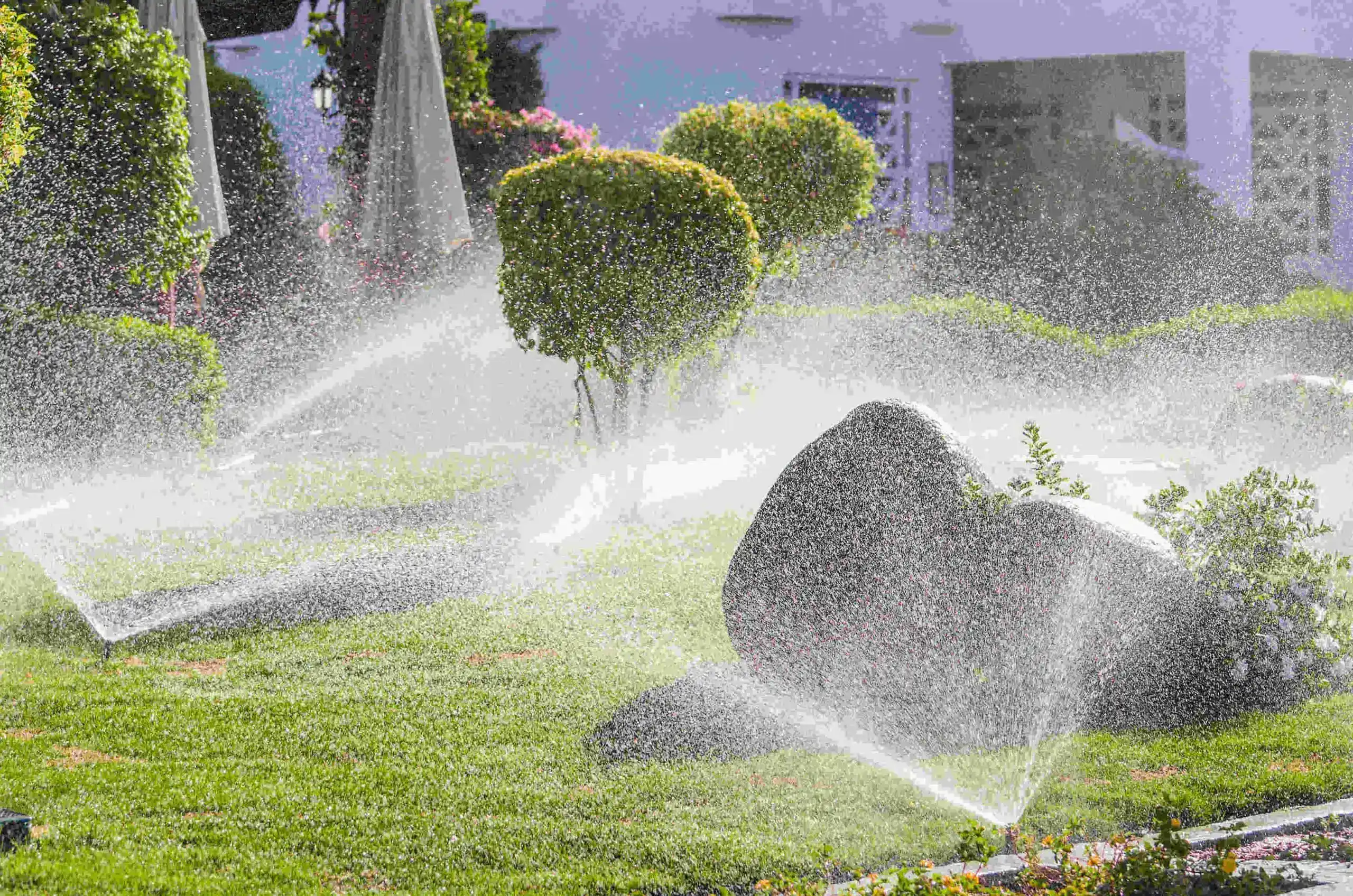
Walk your yard while the sprinklers are running. If some areas look like they’re prepping for a rice paddy while others are cracking like dried mud, your system isn’t distributing water the way it should. This isn’t just a cosmetic issue.
Uneven watering is usually your first clue that something’s broken, clogged, or misaligned. Maybe a head got knocked sideways by the mower. Maybe a nozzle’s packed with debris. Maybe a valve’s stuck partially open. The specific cause varies, but the result is the same—you’re wasting water in some spots and starving your lawn in others.
In Waco’s clay soil, this gets even trickier. Clay doesn’t absorb water quickly, so if a zone is overwatering, you’ll see runoff before the roots even get a drink. And if a zone’s underwatering, that clay turns concrete-hard and your grass roots can’t penetrate. Catching uneven coverage early means you can fix a $75 head replacement instead of replacing $500 worth of dead sod.
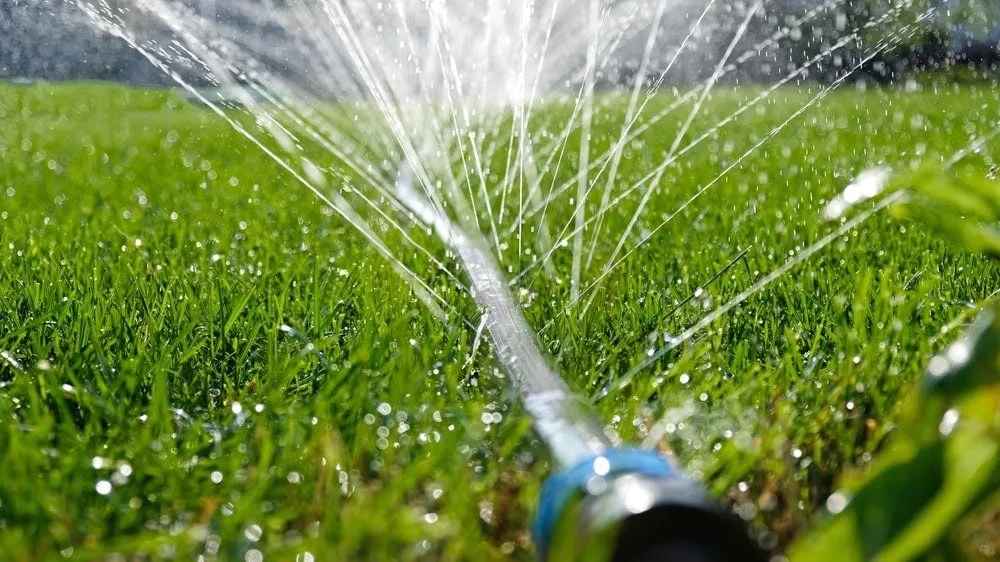
You’ve increased the run time. You’ve checked the schedule. You’ve even hand-watered those brown spots. But they keep coming back. That’s because your sprinkler system has a coverage gap, and no amount of wishful thinking will fix it.
Dry patches usually mean one of three things. First, a sprinkler head might be clogged or broken, so it’s not throwing water as far as it should. Second, heads might be sinking into the ground or tilted at the wrong angle—common when soil settles or someone steps on them. Third, your system might have been designed incorrectly from the start, leaving dead zones that never get adequate coverage.
This is especially problematic in Central Texas, where our warm-season grasses like Bermuda need consistent moisture during the growing season. Miss a zone for even a few days during a heat wave, and you’re looking at dead patches that take weeks to recover. If you’re seeing the same dry spots repeatedly, that’s not a watering schedule problem. That’s a mechanical problem. The heads need adjustment, cleaning, or replacement. Sometimes it’s a five-minute fix. Sometimes it means adding a head to fill the gap. But ignoring it means you’ll keep throwing money at water that never reaches the roots.
The other issue with dry patches? They’re often the first sign of low pressure. If multiple zones are underperforming, you might have a leak somewhere in the line that’s stealing pressure before it reaches the heads. That’s when a simple visual check isn’t enough—you need someone with diagnostic tools to track down where the water’s actually going.
If you’ve got a section of your yard that’s always squishy, even days after the last watering cycle, you’ve probably got a leak. And leaks don’t fix themselves. They just get worse and more expensive.
Pooling water around a sprinkler head usually means the head itself is cracked, the seal is blown, or there’s a break in the line just below the surface. Sometimes you’ll see water bubbling up even when the system is off—that’s a valve that won’t close properly. Either way, you’re paying for water that’s flooding your yard instead of feeding your lawn.
Here’s what makes leaks particularly sneaky in Waco, TX. Our clay soil can hide small leaks for a while because the ground doesn’t drain fast. You might not see standing water right away. Instead, you’ll notice an area that’s always greener than the rest, or soil that feels soft when you walk on it. By the time it’s obvious, you’ve already wasted hundreds of gallons.
And then there’s your water bill. A single leaking sprinkler head can waste close to 300 gallons a month. That’s not a typo. If you’ve got a valve stuck open or a cracked mainline, you could be losing thousands of gallons before you even realize there’s a problem. One homeowner in the area saw a $200 spike in their bill from a valve that was stuck in the open position, running water continuously even when the system was supposedly off.
The frustrating part? Most leaks are cheap to fix if you catch them early. A cracked head costs $60 to $150 to replace. A valve repair runs $75 to $300. But if you let it go, you’re not just paying for wasted water. You’re risking foundation issues from oversaturated soil, you’re drowning your plants, and you’re creating a breeding ground for mosquitoes and mold. The longer you wait, the more expensive it gets.
Want live answers?
Connect with a Huaco Landscape & Irrigation expert for fast, friendly support.
Low pressure is one of those problems that sneaks up on you. The heads don’t pop up as high. The spray doesn’t reach as far. You assume it’s just the system getting old. But pressure issues are rarely about age—they’re about something broken, clogged, or leaking.
If your sprinklers are barely misting instead of spraying, or if heads aren’t popping up at all, start by checking the obvious stuff. Is the main valve fully open? Is there a pressure regulator that’s gone bad? But if those check out and you’re still seeing weak performance, you’ve likely got a leak in the line that’s bleeding off pressure before it reaches the heads.
Pressure problems are especially common in older systems where tree roots have cracked underground pipes, or where ground shifting has broken connections. In Waco’s soil, this happens more often than people think. Our clay expands and contracts with moisture, and that movement puts stress on rigid PVC pipes. One good freeze or one heavy rain after a drought, and you’ve got a crack.

When a sprinkler head refuses to pop up, it’s usually one of three things: dirt buildup, a damaged spring, or low pressure. Sometimes heads get packed with soil or grass clippings, especially if your mower’s been blowing debris directly onto them. Other times, the internal spring wears out and the head just can’t lift itself anymore.
This is a bigger deal than it seems. A head that’s stuck down or only halfway up won’t spray the pattern it’s designed for. You’ll get weird coverage, with some areas flooded and others missed entirely. And if the head’s stuck because of low pressure, that points back to a leak or valve problem somewhere else in the system.
Fixing stuck heads is usually straightforward if it’s just debris. Pop the top off, rinse it out, and you’re back in business. But if the spring’s shot or the riser’s cracked, you’re looking at a replacement. And if multiple heads aren’t popping up across different zones, that’s a system-wide pressure issue that needs professional diagnosis.
The other thing to watch for? Heads that sink into the ground over time. This happens when soil settles or erodes around the head. A sunken head sprays at the wrong angle, waters the dirt instead of the grass, and eventually gets buried completely. If you’re mowing over your sprinkler heads, they’re too low. Get them raised before you crack one with the mower and turn a $10 fix into a $100 problem.
Your water bill jumped $50, $100, maybe more. You haven’t changed your watering schedule. You haven’t filled a pool. You’re not taking longer showers. So where’s the water going? Probably into your yard through a leak you haven’t found yet.
Hidden leaks are one of the most expensive sprinkler problems because they run 24/7, not just during your watering cycles. A valve that won’t fully close keeps seeping water even when the system’s off. A cracked mainline buried under your driveway can hemorrhage thousands of gallons before you see any surface evidence. By the time your bill spikes, you’ve already wasted weeks of water.
This is where the math gets painful. The average sprinkler system uses about 12,000 gallons a month if it runs three times a week. If your usage suddenly jumps to 15,000 or 18,000 gallons without any change in your schedule, that’s not a meter error. That’s a leak. And at Waco’s water rates, you’re paying for every gallon that’s flooding your flowerbed or seeping into your foundation.
The tricky part is finding the leak. Sometimes it’s obvious—you’ll see a soggy spot or hear water running when the system’s off. But sometimes it’s underground, hidden under mulch or hardscaping, and you won’t know where it is until a pro comes out with leak detection equipment. That’s not a DIY job. You need someone with the tools to pinpoint the problem without tearing up your entire yard.
The good news? Most leaks are fixable for a few hundred dollars once you know where they are. The bad news? Every week you wait, you’re flushing money down the drain. If your bill’s up and you can’t explain why, don’t wait for next month’s statement to confirm it. Get someone out to check your irrigation system now.
Your sprinkler system doesn’t fail overnight. It gives you warnings—dry patches, soggy spots, weak pressure, rising bills. The question is whether you’ll notice those warnings before a $100 repair turns into a $500 disaster. In Waco’s climate, where your irrigation system is the only thing standing between a green lawn and a dirt lot, catching problems early isn’t optional.
Most sprinkler repairs are straightforward and affordable if you handle them when they’re small. A clogged head, a misaligned spray pattern, a valve that needs adjustment—these are quick fixes. But ignore them, and you’re looking at dead grass, wasted water, and repair bills that could’ve been avoided.
If you’re seeing any of the signs we’ve covered—uneven watering, persistent dry or soggy spots, pressure issues, or unexplained spikes in your water bill—don’t wait for it to get worse. We’ve been handling sprinkler system repairs across Waco, TX and the surrounding counties including Bosque, Falls, Hill, Bell, and McClennan since 2010, and we’re not booked out for months like most of the competition. We’ll get to you within a week or two, diagnose the problem, and fix it before your lawn pays the price.
Article details:
Share:
Continue learning: