Waco summers are brutal on lawns — and on the people trying to maintain them. Here's what professional lawn care actually looks like in Central Texas, season by season.
Share:
Summary:
If you live in Waco or anywhere in the surrounding counties — Bosque, Falls, Hill, or Bell — you already know the summer is no joke. We’re talking 100°F days that stretch into weeks, Blackland Prairie clay that cracks like old pottery, and Bermuda grass that grows fast enough to make your head spin. Keeping up with a lawn in this climate is a full-time job — and for a lot of homeowners, it’s simply not a realistic one anymore. The real question isn’t whether you need professional lawn care services. It’s how often, what kind, and what actually matters versus what’s just nice to have. Let’s get into it.
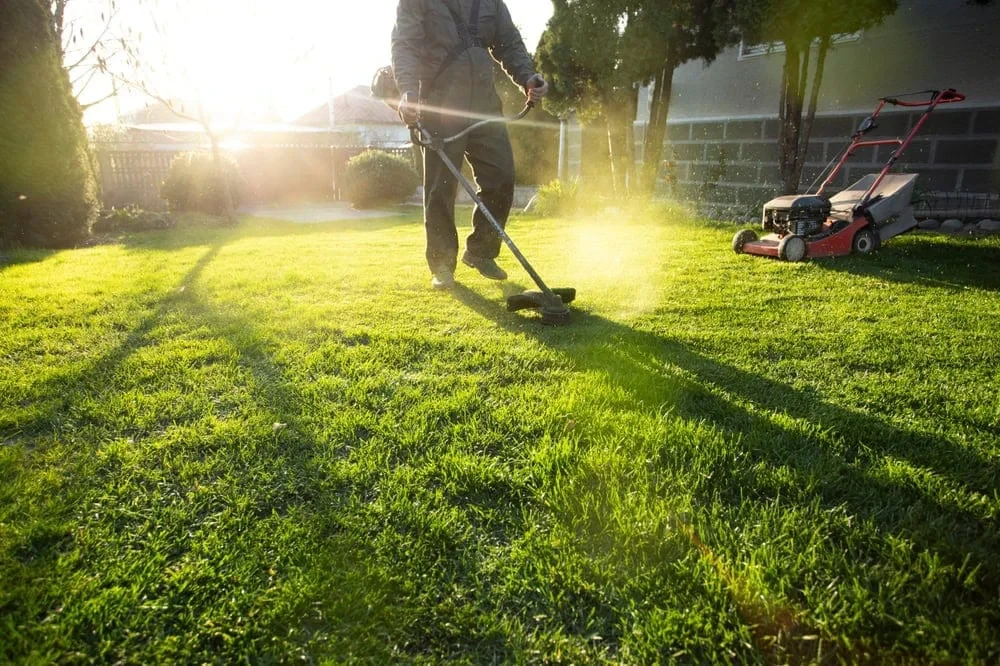
The honest answer depends on the season, your grass type, and what you’re trying to accomplish. But if you have Bermuda grass — which most lawns in Waco and the surrounding counties do — professional mowing every week during peak summer is not an upsell. It’s just reality. Bermuda grows aggressively when it’s hot, and it can go from neat to overgrown in five to seven days.
The bigger issue is that mowing incorrectly does real damage. Cut too much at once — more than a third of the blade height — and you’re stressing the grass right when the heat is already punishing it. That’s how you end up with brown patches that take weeks to recover. Consistent professional care isn’t about appearances alone. It’s about keeping the lawn healthy enough to survive a Central Texas summer.
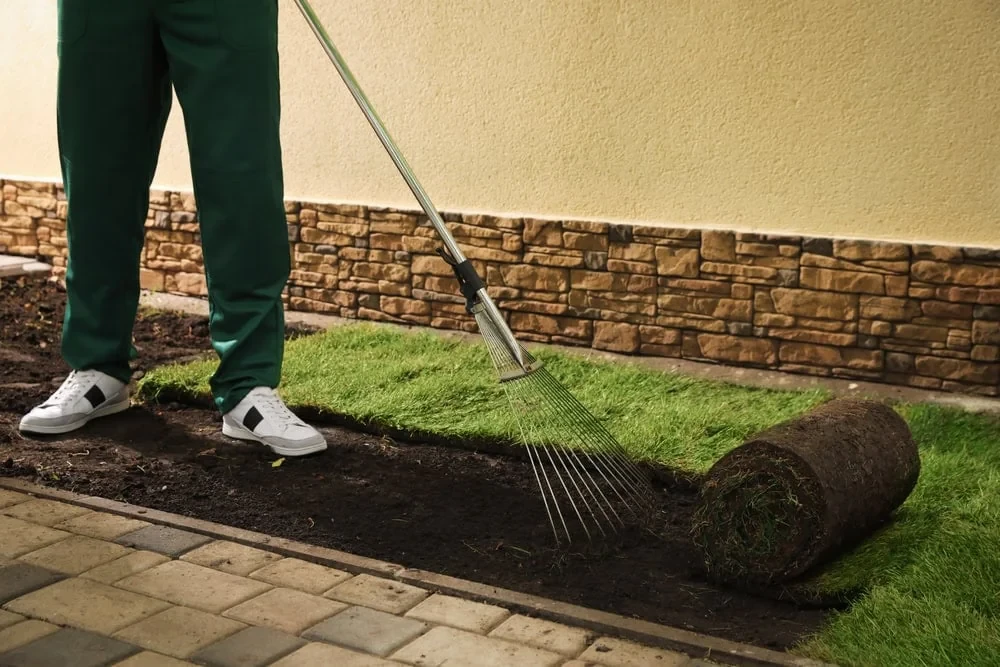
Spring is when everything wakes up, and it’s also when most homeowners realize they’ve fallen behind. Soil temperatures in McLennan County start climbing in March, and once they hit around 55°F, warm-season grasses break dormancy fast. This is the window for pre-emergent weed control — miss it, and you’re fighting weeds all summer. It’s also when irrigation systems need a proper inspection after winter. A sprinkler head that’s slightly off can waste hundreds of gallons and leave dry spots you won’t notice until the damage is done.
Summer — June through September — is the most demanding stretch. Weekly mowing is standard, and in aggressive growth periods, some lawns need attention every four to five days. Watering should happen two to three times per week with deep soaking rather than daily light sprinkles, which actually encourage shallow roots and make the lawn more vulnerable during dry spells. Waco and many surrounding municipalities also enforce water restriction schedules during drought conditions, so a properly calibrated irrigation system isn’t just convenient — it keeps you compliant.
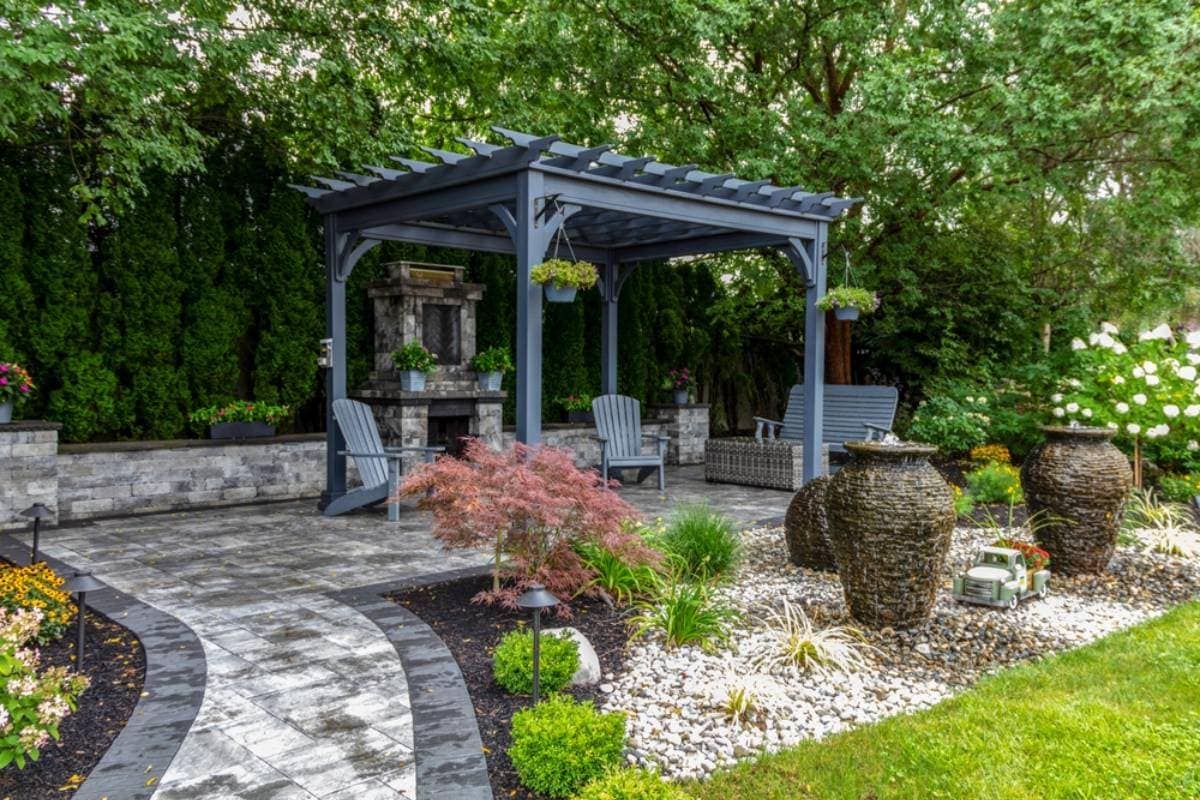
Fall is the transition that most homeowners overlook. Mowing frequency drops as growth slows, but this is when you apply pre-emergent herbicide for winter weeds and give the lawn a potassium-rich fertilizer to strengthen roots before dormancy. It’s also a smart time to plan any landscaping or hardscaping projects you want ready by spring. Hardscaping and installation work done in fall gives plants time to establish before the heat returns.
Winter is quieter but not irrelevant. Warm-season grasses go dormant and turn brown — that’s completely normal, not a sign of damage. But irrigation systems still need attention, and winter weeds can take hold if fall pre-emergent applications were skipped. It’s also a good planning season. The homeowners who start spring in the best shape are usually the ones who used the winter months to get ahead.
Yes — and this is something generic lawn care advice almost never accounts for. The Blackland Prairie clay soil that runs through McLennan County and much of the surrounding region behaves differently from sandy or loam soils. It holds moisture longer, which sounds helpful until you realize it also compacts heavily under foot traffic and equipment, restricts root growth, and drains poorly after heavy rain. Then it swings the other direction — cracking and pulling away from itself during dry stretches.
This means aeration matters more here than in most parts of the country. For Bermuda and Zoysia lawns in the Waco area and across Bosque, Falls, Hill, and Bell Counties, aeration in spring or early summer opens up the soil, reduces compaction, and makes the grass significantly more tolerant of the heat and drought stress that follows. It’s not a luxury service in this climate. It’s maintenance that directly affects whether your lawn survives August looking decent or looking like a dirt lot.
Clay soil also affects how you irrigate. Water applied too quickly runs off before it can soak in, which is a common problem with poorly designed sprinkler systems. A properly designed irrigation system accounts for the soil’s absorption rate, delivers water at the right pace, and prevents the kind of surface runoff that wastes water and leaves the root zone dry. Smart irrigation controllers — the kind that adjust based on weather data — can reduce water usage by up to 50% compared to basic timer systems. In a region that regularly faces drought conditions and municipal watering restrictions, that efficiency matters.
The bottom line is that Waco’s soil profile requires a more thoughtful approach than just mowing and watering on a schedule. If you’re working with a landscaping company that doesn’t factor in your soil type, you’re probably not getting the full picture.
Want live answers?
Connect with a Huaco Landscape & Irrigation expert for fast, friendly support.
The Waco lawn care market has a well-known problem: most reputable companies are booked two to three months out. If your irrigation system breaks in July or your lawn gets out of hand during a stretch of heavy rain, waiting until October for help isn’t an option. Response time matters — not just for convenience, but because lawn and irrigation problems get worse, not better, when they sit.
Beyond availability, the things that separate a good landscaping company from a frustrating one come down to licensing, local knowledge, and whether they actually communicate. These aren’t complicated standards, but they’re surprisingly rare to find together in one place.
This is one of the most important questions homeowners in Waco, Hillsboro, Temple, Killeen, and the surrounding area can ask — and most people don’t know to ask it. In Texas, it is illegal for anyone to sell, install, repair, or service an irrigation system without a license issued by the Texas Commission on Environmental Quality (TCEQ). This isn’t a recommendation or a best practice. It’s state law, and it applies to every contractor you hire.
The license that matters most is the Landscape Irrigator (LI) license. Earning it requires completing a 40-hour TCEQ-approved training course, two years of practical experience under a licensed irrigator, and passing a six-hour state licensing exam. After that, licensees are required to complete 24 hours of continuing education every three years to maintain it. It’s a serious credential, and it exists because irrigation work — when done wrong — wastes significant water, damages lawns, and can create backflow contamination issues in the water supply.
We hold TCEQ Landscape Irrigator License LI0019027 and Backflow Prevention License BP0021328, both of which are publicly verifiable through the TCEQ database. We mention this not to pad a list of credentials, but because when you’re hiring someone to work on your irrigation system, you deserve to know they’re legally authorized to do it. If a company can’t point you to a TCEQ license number, that’s a problem worth taking seriously — especially for commercial clients, including construction companies managing new development sites where irrigation compliance is part of the project scope.
If you’re outside Waco proper — out in Clifton, Meridian, Marlin, Hillsboro, or somewhere along the rural stretches of Bosque, Falls, or Hill County — you’ve probably already run into this. You call a landscaping company, they quote the job, and then they tell you they don’t service your area. Or they’ll come out, but the wait is months long and the travel fee makes the whole thing feel like it’s not worth it.
This is a real gap in the market, and it affects a lot of property owners who have larger lots, more complex irrigation needs, or simply less access to the kind of full-service lawn care that Waco residents take for granted. Bell County has the same issue in pockets — particularly for homeowners near Fort Cavazos whose schedules don’t leave room for chasing down contractors who may or may not show up.
We serve all five counties — McLennan, Bosque, Falls, Hill, and Bell — and we’re willing to travel for the right projects. That’s not a throwaway line. It reflects how we’ve built our business since 2010, working with residential and commercial clients across a wide stretch of Central Texas. For older homeowners especially, the ability to call one company and have everything handled — mowing, irrigation, flower bed maintenance, tree work, hardscaping — without coordinating multiple contractors across multiple schedules is worth a lot. It’s not just convenient. It removes a real burden.
We’re also aware that trust takes longer to build in smaller communities. Residents of Clifton or Marlin aren’t going to hand their property over to a company they’ve never heard of based on a website alone. That’s why BBB accreditation since 2015, verifiable state licensing, and a decade and a half of continuous operation in this region matter more than any marketing claim we could make. We’re original Wacoans. This is our community too, and the work we do here reflects that.
Here’s the short version: your lawn in Waco and the surrounding counties needs weekly professional care through the summer, seasonal treatments in spring and fall, and an irrigation system that’s designed for this climate and maintained by someone who’s actually licensed to touch it. That’s not an aggressive service schedule — that’s what it takes to keep a warm-season lawn healthy when temperatures are pushing 105°F and the clay soil underneath is working against you.
The frustrating part is finding a company that can actually show up. Most homeowners in McLennan, Bosque, Falls, Hill, and Bell Counties have dealt with the same problem: good companies are booked out for months, and the ones with availability don’t inspire much confidence.
If you’re ready to stop guessing and get a straight answer about what your lawn actually needs, reach out to Huaco Landscape & Irrigation. We’ll give you an upfront quote, no hidden fees, and a realistic start date — usually within one to two weeks, not next season.
Article details:
Share:
Continue learning: