Not sure if your retaining wall needs a permit? Height, location, and load all matter. Get straight answers about Waco permit requirements before you start building.
Share:

Summary:
You’re looking at that sloped backyard and thinking a retaining wall would solve everything. More usable space. Better drainage. An end to the erosion eating away at your property line. But before you start stacking blocks or calling contractors, there’s one question that matters more than anything else: do you need a permit? The answer isn’t as simple as “yes” or “no.” Wall height, what it’s holding back, and where you’re building all factor into whether your project needs official approval. Get it wrong, and you’re looking at fines, removal orders, or problems when you try to sell your house. This guide walks you through exactly what triggers permit requirements in Waco and Central Texas, so you can move forward with confidence instead of confusion.
The basic rule sounds straightforward until you dig into the details. In most Texas municipalities, retaining walls under 4 feet in height don’t require a permit, as long as they’re not supporting additional loads. That 4-foot measurement starts at the bottom of the footing and goes to the top of the wall—not just the visible portion above ground.
Here’s where homeowners run into trouble. Your wall might look 3 feet tall from the yard, but if the footing sits 18 inches below grade, you’re already at 4.5 feet total. That triggers permit requirements even though the visible section seems fine.
The other factor that changes everything is what engineers call “surcharge.” If your wall supports anything beyond level soil—a sloped backyard, a driveway, a patio, another structure—you need a permit regardless of height. That small garden wall holding back your sloped flower bed? Probably needs approval.
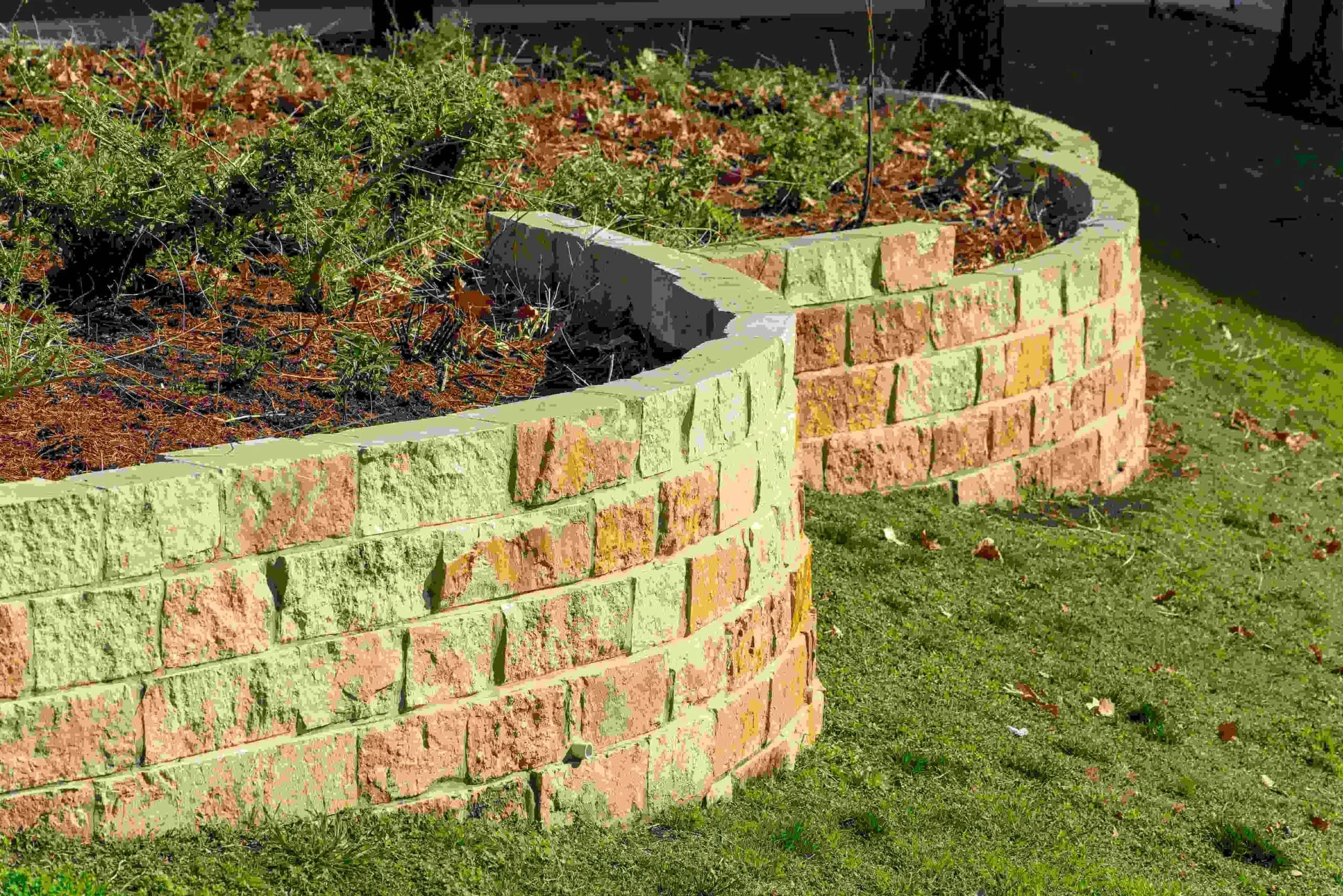
Most people measure their retaining wall from ground level to the top. That’s not how building departments see it. The official measurement runs from the bottom of the footing to the highest point of the wall, which can add significant height you never considered.
Say you’re planning a wall that shows 3 feet above your lawn. Sounds safe, right? But proper retaining wall construction requires a footing that extends below the frost line and provides a stable base. In Central Texas, that typically means digging down 12 to 18 inches. Add that to your 3-foot visible wall, and you’re suddenly at 4 to 4.5 feet total—over the permit threshold.
The confusion gets worse with tiered walls. Some homeowners think they can avoid permits by building multiple shorter walls instead of one tall one. Building departments caught onto that years ago. If you’re stacking walls on a slope where the upper wall could affect the lower one, they’re evaluated as a system. That means the combined height determines whether you need permits and engineering.
This measurement standard exists for good reason. The total height determines the pressure the wall must withstand. A wall retaining 4 feet of soil faces exponentially more force than one holding back 2 feet. Underestimate that pressure, and you’re looking at catastrophic failure—walls that bow, crack, or collapse entirely.
Before you finalize your design, have someone who understands these measurements take a look. What seems like a simple weekend project can quickly become a permitted job requiring professional design. Better to know that upfront than after you’ve already purchased materials or started digging.
The term “surcharge” sounds technical, but it just means your wall is holding back more than level dirt. This distinction matters because even a 2-foot wall requires a permit if it’s supporting a surcharge load.
Sloped backfill is the most common surcharge situation. If the ground behind your wall slopes upward instead of staying level, that’s a surcharge. The angled soil creates additional lateral pressure that changes how the wall needs to be designed. A wall that would be fine holding back flat ground might fail under the extra force from a slope.
Driveways and parking areas create surcharge loads too. That wall separating your yard from the driveway isn’t just holding back soil—it’s supporting the weight of vehicles driving above it. Same goes for patios, decks, or any structure built on the retained soil. The weight transfers down through the soil and pushes against your wall.
Even another retaining wall can create surcharge loading. If you build a second wall uphill from your first one, the upper wall’s foundation presses down on the soil the lower wall is holding. Engineers call these “tiered” or “terraced” systems, and they require careful analysis to prevent the lower wall from being overwhelmed.
Property owners often miss these surcharge situations because they seem minor. A gentle slope doesn’t look like much. That small shed sits well back from the wall. But physics doesn’t care about appearances. The loads are real, and walls that aren’t designed for them eventually fail.
The permit process exists partly to catch these issues before they become expensive problems. A building inspector or reviewing engineer will spot surcharge conditions and make sure your wall is properly designed for the actual forces it’ll face. Skipping that review means gambling with your property and your wallet.
Want live answers?
Connect with a Huaco Landscape & Irrigation expert for fast, friendly support.
Some homeowners figure they’ll take their chances and build without permits. The wall is on their property, it looks solid, and dealing with paperwork seems like unnecessary hassle. That gamble rarely pays off.
Building departments find unpermitted work eventually. Neighbors report it. Inspectors spot it during other visits. Aerial imagery catches it. When they do, you’re facing stop-work orders and potential fines. Worse, you might have to tear down the wall entirely and start over with proper permits—meaning you pay twice for the same project.
The real pain comes when you try to sell your house. Title companies and home inspectors routinely flag unpermitted improvements. Buyers either walk away or demand major price concessions. Some won’t close until you obtain after-the-fact permits or remove the structure entirely. What seemed like saving a few hundred dollars in permit fees can cost you tens of thousands in lost sale value or forced remediation.
Beyond the legal and financial headaches, unpermitted retaining walls create serious liability exposure. If your wall fails and damages a neighbor’s property, you’re on the hook for repairs. Your homeowner’s insurance might deny the claim entirely because the wall wasn’t properly permitted and inspected.
That’s not a theoretical risk. Retaining walls fail regularly when they’re not engineered correctly. Clay soils common in Central Texas expand and contract with moisture, creating immense pressure. Summer storms dump inches of rain in hours, overwhelming inadequate drainage. Walls that seemed fine for months suddenly bow, crack, or topple over.
When that happens to an unpermitted wall, you can’t point to approved plans or passed inspections. You built something that wasn’t reviewed by anyone with engineering expertise, and now you’re dealing with the consequences. If someone gets hurt—a neighbor, a visitor, your own family—the liability becomes even more severe.
Professional contractors won’t touch unpermitted walls for repairs or modifications either. They risk their licenses by working on non-compliant structures. That leaves you scrambling to find someone willing to take on the liability, usually at premium prices, or trying to fix it yourself without the knowledge to do it right.
The permit process protects you from these scenarios. It ensures your wall is designed for the actual site conditions, built with appropriate materials, and inspected at critical stages. That documentation becomes your defense if anything goes wrong. Without it, you’re exposed.
Getting a permit doesn’t have to be complicated if you know what you’re walking into. The process starts with determining whether your project actually needs one. Measure the total wall height from footing bottom to wall top, check for surcharge conditions, and review your local building department’s specific requirements. Waco and surrounding Central Texas counties each have slightly different rules, so don’t assume what works in one jurisdiction applies everywhere.
For walls under 4 feet with no surcharge, you typically don’t need permits. You can purchase materials and start building, though you still need to follow proper construction techniques for stability and drainage. Many homeowners handle these smaller projects themselves or hire landscaping contractors without involving engineers.
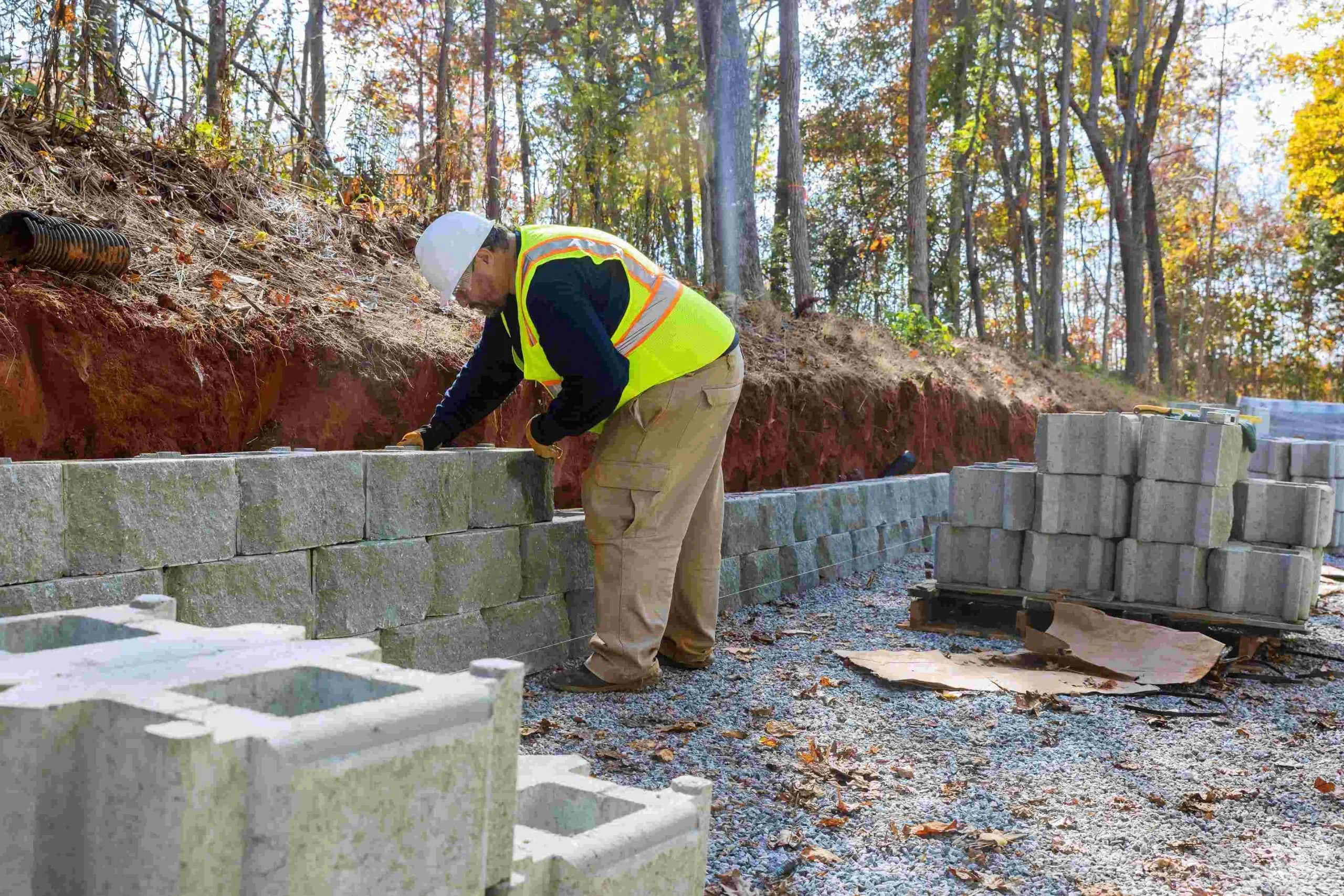
Once you cross that 4-foot threshold or add surcharge loading, you’re into permit territory. That means submitting plans, possibly getting an engineer’s stamp, paying permit fees, and scheduling inspections. Most building departments want to see a site plan showing the wall location, cross-section drawings with dimensions and materials, and drainage details. Walls over 4 feet usually require plans sealed by a licensed professional engineer.
The inspection process typically includes a footing inspection before you backfill, and a final inspection once the wall is complete. Inspectors verify that you built according to approved plans, used specified materials, and installed proper drainage. These checkpoints catch problems while they’re still easy to fix, rather than after you’ve backfilled and discovered the wall is failing.
Many contractors handle the entire permit process as part of their service. They know what the building department wants to see, have relationships with engineers who can stamp plans quickly, and schedule inspections at the right times. That’s worth paying for if you’re not familiar with the process. Trying to navigate it yourself often leads to multiple plan rejections and delays that cost more than hiring someone who knows the system.
The timeline varies depending on how busy the building department is and whether your plans need revisions. Simple projects might get approved in a week or two. More complex walls requiring engineering review can take a month or longer. Factor that into your project schedule rather than assuming you can start immediately.
Retaining walls solve real problems—erosion, drainage, unusable slopes—but only when they’re built correctly from the start. Understanding permit requirements isn’t about jumping through bureaucratic hoops. It’s about making sure your wall can handle the forces it’ll face and protecting your property investment.
The 4-foot height threshold, surcharge loading rules, and measurement standards exist because walls that aren’t properly designed fail. When that happens, you’re looking at property damage, liability exposure, and the cost of doing it over. Getting permits and inspections upfront prevents those expensive surprises.
If you’re planning a retaining wall or hardscaping project in Waco, TX or the surrounding Central Texas counties, we can help make the entire process smoother. At Huaco Landscape & Irrigation, we handle everything from landscape design and permits to installation and final inspection, with the local expertise to navigate requirements in McLennan, Bell, Bosque, Falls, and Hill Counties. Reach out to discuss your project and get clear answers about what your specific situation requires.
Article details:
Share:
Continue learning: